You can tell people you're good at what you do. It's far more convincing when a real customer says it for you. That, in one sentence, is why customer testimonial and case-study videos are the most reliably effective video a B2B business can produce.
At ThinkVP we've filmed testimonials and case studies across legal, financial services, manufacturing, healthcare, construction and government work in Brisbane since 2016. This guide explains why they work, the difference between the two, and how to plan one that actually earns business.
Why testimonials convert better than anything you can say yourself
Every business claims to be professional, reliable and results-driven. Buyers have learned to discount that — it's marketing copy, and they know it. A testimonial flips the source of the claim from you to someone with nothing to sell. That's the entire mechanism:
- Credibility by proxy. A customer describing a real result is social proof you can't manufacture with words on a page.
- Emotion carries on video. Tone, a smile, genuine relief or enthusiasm — none of that survives in a written quote, but it's exactly what makes a viewer believe.
- It pre-handles objections. When a customer says "I was worried about X, but…", they're answering the exact doubt sitting in your next prospect's mind.
- It works everywhere. The same video earns its keep on your website, in a sales follow-up email, on LinkedIn, and in a pitch deck.
Testimonial vs case study: what's the difference?
People use the terms interchangeably, but they do different jobs:
- A testimonial video is led by the customer's experience and emotion — "here's what it was like working with them, and here's how I feel about the result." Short, personal, trust-building.
- A case-study video is led by the story of a problem and its solution — "here was the challenge, here's what was done, here's the measurable outcome." It usually combines an interview with footage of the product or service in action, and often some numbers.
Testimonials are ideal near the top of the funnel and on your homepage. Case studies do their best work later, when a prospect is weighing you up and wants proof you can handle their kind of problem.
See the difference
Three pieces we've produced — a customer testimonial, a professional-services testimonial, and a B2B case study:
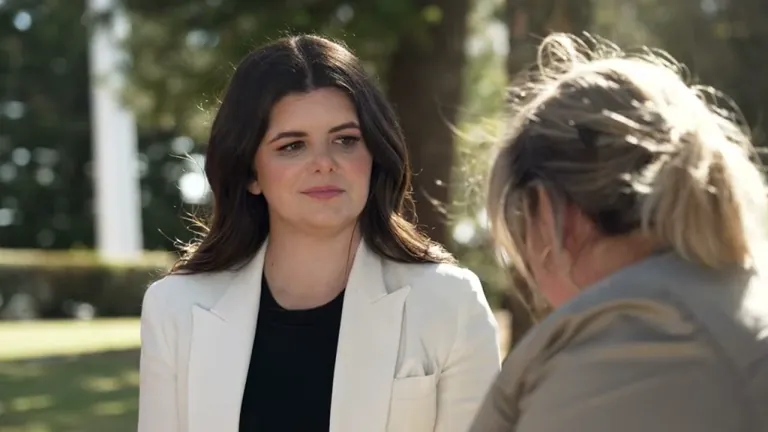
A client gives a testimonial for their lawyer (2023)
A client describes how their lawyer guided them through a difficult legal process — credibility for a professional-services firm.
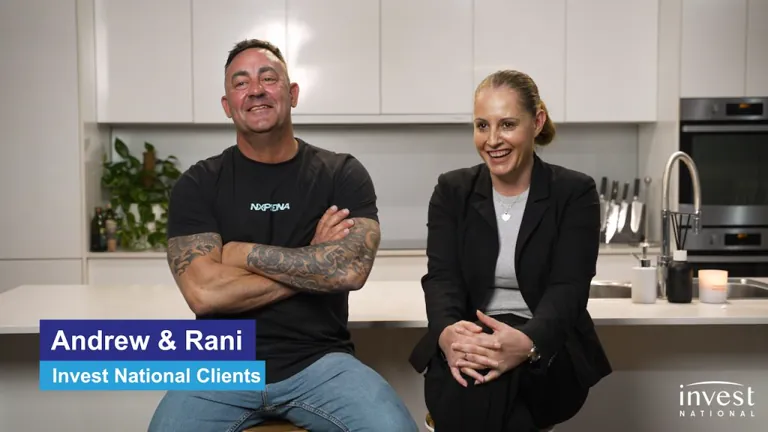
A couple discuss their success with their financial planner (2025)
A warm, personal testimonial that builds trust for a financial planning practice considering new clients.
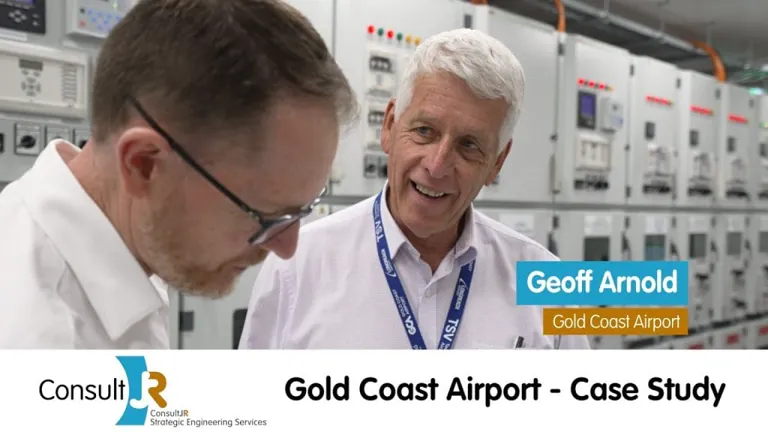
A case study of electrical engineering for an airport (2022)
A problem-solution-outcome case study demonstrating engineering expertise on a major infrastructure project.
What separates a great testimonial from a forgettable one
- The right customer. Pick someone genuinely happy, reasonably articulate, and relevant to the audience you're trying to win. One ideal customer beats three lukewarm ones.
- Specifics over adjectives. "They saved us about six hours a week" lands harder than "they were great." We draw these out with the right interview questions, so your customer never has to script anything.
- A relaxed subject. Most people aren't used to being on camera. Directing them on the day — and asking conversational questions rather than handing them a script — is what makes them come across naturally. (Our guide on what to wear on camera helps your subject feel prepared, too.)
- Supporting footage. Cutting to b-roll of the work, the product or the team keeps it visually engaging and reinforces the story — essential for case studies.
- Good audio and light. Nothing undermines credibility faster than echoey sound or a face in shadow. This is where professional production pays for itself.
How to plan yours
You don't need to organise much — that's our job — but a strong testimonial shoot usually involves:
- Choosing one or more willing customers and a convenient location (often their workplace or yours).
- A short pre-shoot chat so we understand the story worth telling and the questions to ask.
- A relaxed interview on the day, plus any b-roll we need to illustrate it.
- Editing into a polished video — and often shorter social cut-downs from the same interview.
A money-saving tip: testimonials are one of the most economical formats when you batch them. Filming three or four customers back-to-back in one day shares the cost of the shoot across all of them — see our guide to corporate video pricing for how that works.
Ready to let your customers do the selling?
We make the process easy for you and comfortable for your customers. Have a look at our recent work, then get in touch for a quote on a testimonial or case-study video — or a day of them.